
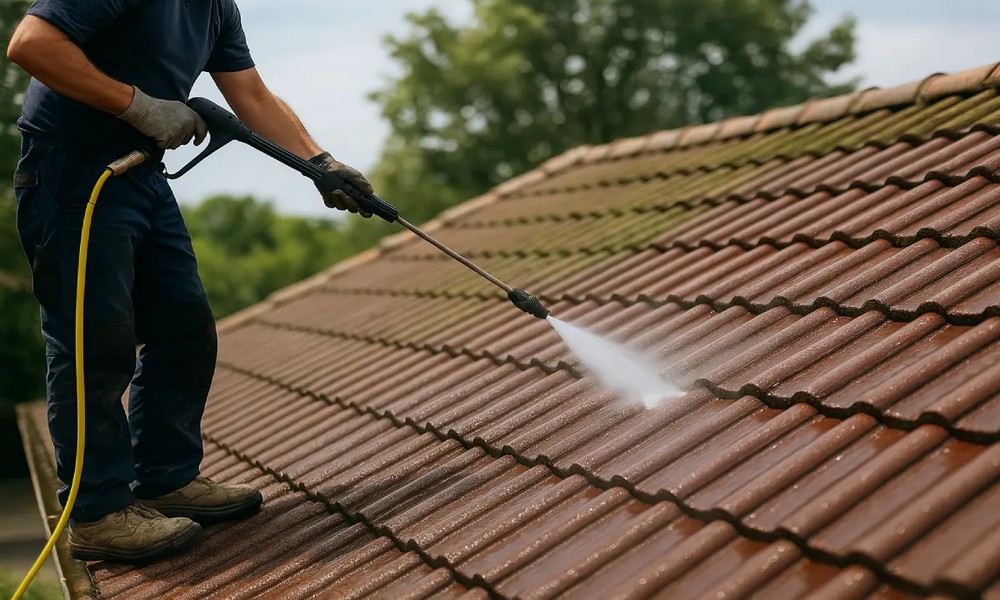
A green haze creeping across your roof, dark streaks running down siding, slippery patches on walkways, these signs are more than cosmetic annoyances. In the Pacific Northwest, damp weather fuels moss, algae, and lichen outbreaks that can quietly destroy your home’s exterior. The question on every savvy homeowner’s mind is: how do you get rid of this growth and protect your property without causing damage?
What Is Soft Washing and How Does It Differ from Pressure Washing?
Soft washing isn’t just a gentler version of pressure washing; it’s a fundamentally different approach to cleaning. While pressure washing blasts away grime with high-pressure water, soft washing relies on low-pressure streams paired with specialized detergents. These solutions target organic growth at the root, making soft washing ideal for delicate surfaces like shingles, painted siding, and even older concrete.
The Science Behind Soft Washing
The secret is in the chemistry. Rather than simply removing visible dirt, soft washing uses a blend of biodegradable detergents that break down and kill moss, algae, and lichen. This method ensures that even the growth you can’t see is neutralized, dramatically slowing regrowth over time.
Why Low Pressure and Detergents Matter
High-pressure water can strip paint, etch brick, force water behind siding, or even void roof warranties. Soft washing sidesteps these problems entirely by using just enough force to rinse away debris after the detergent has done its job.
Common Misconceptions About Roof and Exterior Cleaning
Many homeowners believe that “more power” means “more clean.” In reality, excessive pressure speeds up surface deterioration. Soft washing delivers longer-lasting results, protects your investment, and supports your home’s structural integrity.
Why Choose Soft Washing for Your Roof and Exterior Surfaces?
The Pacific Northwest’s wet climate creates a perfect breeding ground for moss and algae. Left untreated, these invaders can reduce roof life by years, cause unsightly stains, and make surfaces dangerous underfoot.
The Impact of Pacific Northwest Climate on Roofs
Frequent rain and shade from tall trees help moss thrive. This moss holds moisture against your roofing materials, promoting rot, leaks, and early replacement, a major expense that’s often preventable.
Preventing Moss, Algae, and Lichen Damage
Moss and algae not only look bad, they create a cycle of damage by trapping water, which accelerates wear and tear. With routine soft washing, you can break this cycle.
Longevity Benefits Compared to Traditional Pressure Washing
Where pressure washing might strip away surface layers and cause premature aging, soft washing preserves paint, shingles, and siding. Over time, this care leads to fewer repairs and a cleaner appearance between treatments.
How Does Soft Washing Protect Different Exterior Surfaces?
Each surface around your home has unique vulnerabilities. Soft washing adapts to all of them.
Roofs: Killing Moss Without Damage
A gentle application of cleaning solution kills moss on contact. The dead moss turns white, dries out, and is gradually washed away by rain over a few months. There’s no scraping, no high-pressure blasting, and no risk of creating leaks.
Siding and Walls: Cleaning Without Peeling Paint or Damage
Painted wood, vinyl, and composite siding respond well to soft washing. The low-pressure rinse removes dirt and algae without stripping paint, preserving both color and finish.
Concrete and Driveways: Removing Slippery Algae Safely
Walkways and driveways develop slick, hazardous spots. By adjusting detergents and pressure, professionals can lift stains and organic buildup without pitting or cracking the surface.
Gutters: Preventing Blockages and Water Damage
Soft washing isn’t just about appearance. Clearing debris from gutters prevents overflow, protecting your foundation and landscaping from water damage.
What Does a Soft Washing Service Include?
A reputable service covers every detail, from safety precautions to post-cleanup checks.
– Roof Cleaning: Inspection, application of detergent, gentle removal of large moss chunks, and a two-year guarantee against regrowth.
– House Washing: Low-pressure, high-volume spraying with detergents tailored to siding material.
– Concrete Cleaning: Targeted approach using just enough pressure to clear algae and dirt without surface erosion.
– Gutter Cleaning: Clearing gutters and downspouts, blowing debris from roofs and affected walkways.
Is Soft Washing Safe for Your Property and Environment?
Top-tier providers protect both your home and your garden. Many, like Zachs Pressure Washing, are praised by customers for safeguarding landscaping during cleaning. They use eco-friendly, biodegradable detergents and carefully manage runoff to avoid harming your plants.
Customer testimonials consistently highlight attention to detail, respectful service, and satisfaction guarantees, hallmarks of a trustworthy provider.
How to Know If Your Property Needs Soft Washing
If you’re spotting green or black streaks, moss tufts, or slippery patches, it’s time. Schedule professional cleaning when:
– There is visible moss, algae, or mildew.
– Surfaces start to look dull or stained.
– Gutters overflow during rain.
DIY options exist, but soft washing requires the right chemicals and equipment. Attempting it without training can damage surfaces or risk personal injury.
Finding and Choosing a Reliable Soft Washing Service
Expertise matters. Look for companies with proper licensing, insurance, and guarantees on their work. Ask about their detergents, techniques, and how they protect your landscaping. Customer reviews and clear communication are strong indicators of professionalism.
Maintaining Your Roof and Exterior After Soft Washing
To keep surfaces looking fresh, inspect your property regularly for new growth. Spot clean minor patches as they appear, and consider annual or seasonal soft wash treatments if your home is shaded or near trees. This routine maintenance keeps your property safe, beautiful, and protected year-round.