
A tiny detail can sabotage your entire audio experience, whether you’re streaming music at home, leading a meeting in a bustling office, or working on a noisy construction site. The secret lies in matching your audio gear to the unique demands of your environment, a process that turns a simple purchase into a thoughtful investment in clarity, comfort, and performance.
Understanding Audio Equipment Needs Across Environments
The requirements for audio equipment shift dramatically from one setting to another. What works perfectly in a quiet living room might fail spectacularly in the chaos of a jobsite or the unpredictability of the outdoors.
Defining Key Environments: Home, Outdoor, Professional, and Industrial
At home, comfort and versatility often top the wishlist. Outdoors, weather resistance, portability, and battery life quickly become critical. Professional studios demand precision and customization, while industrial settings call for rugged durability and built-in safety features.
How Environment Shapes Audio Equipment Requirements
Each environment places distinct pressures on audio gear. Noise levels, exposure to the elements, and even how often the device is used all influence your decision. In a factory, hearing protection and clear communication matter more than nuanced sound quality. In contrast, home users may prioritize aesthetics and wireless convenience.
Core Features to Consider When Selecting Audio Equipment
Sound quality is the backbone of any audio device, but it’s far from the only factor that deserves attention.
– Sound clarity: Crisp, distortion-free audio is essential, especially for music lovers and professionals.
– Durability: Weatherproof and shock-resistant features extend lifespan outdoors or on jobsites.
– Connectivity: Bluetooth is ideal for flexibility, while wired connections often deliver higher fidelity.
– Power solutions: Long battery life and fast charging are must-haves for portable use.
Comparing Audio Equipment Types for Varied Environments
From headphones to specialty communication devices, each category carries its own strengths and limitations.
| Equipment Type | Best For | Key Features | Typical Weaknesses |
|——————|——————|————————|————————|
| Headphones/Earbuds | Home, Office, Industrial | Noise cancellation, comfort | Limited environmental awareness |
| Portable Speakers | Home, Outdoors | Portability, loudness | Battery limitations |
| Professional Gear | Studios, Events | Precision, customization | Expensive, less portable |
| Specialty Devices | Industrial | Hearing protection, two-way communication | Often single-purpose |
Headphones and Earbuds: Noise Isolation vs Ambient Awareness
Noise canceling models are perfect for blocking distractions at home or in transit, yet they can be risky in situations where hearing your surroundings is critical, like on a busy street or construction site.
Portable Speakers: Size, Output, and Portability Trade-offs
Larger speakers deliver richer sound but sacrifice portability. Compact models are easy to carry but might be underpowered for group settings outdoors.
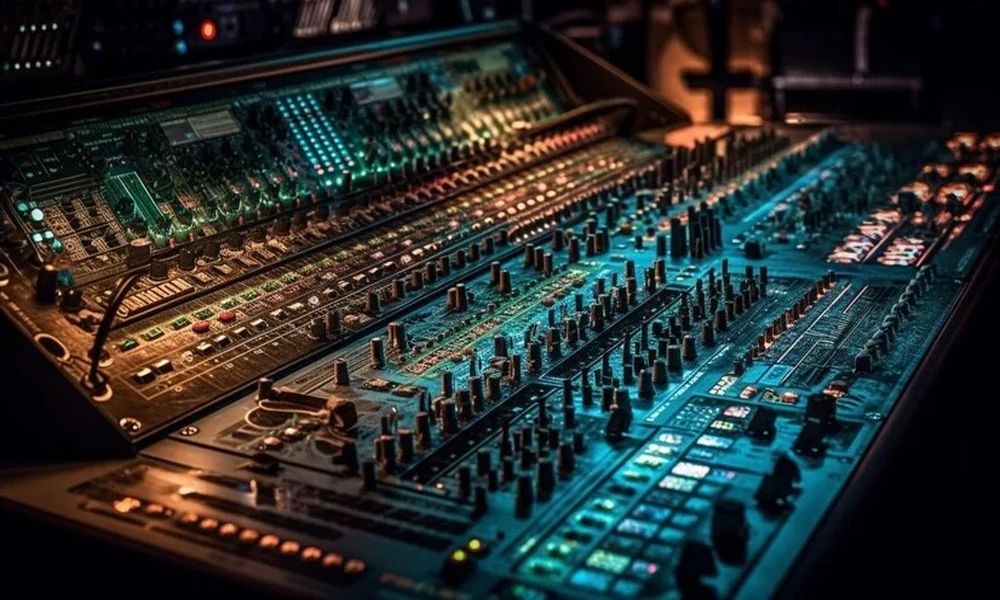
Professional Audio Gear: Mixers, Microphones, and Amplifiers
These excel in settings where sound accuracy and adjustability are paramount, such as studios, live events, or corporate presentations.
Specialty Equipment: Hearing Protection and Communication Devices
Designed for industrial environments, these prioritize safety and clear communication, sometimes with built-in radios or Bluetooth connectivity.
Environment-Specific Selection Criteria and Recommendations
Home users should prioritize comfort and flexible connectivity, such as devices supporting both Bluetooth and aux input. For outdoor enthusiasts, water resistance and rugged construction are essential. On industrial sites, look for audio gear with certifications for dust, water, and impact resistance.
When it comes to professional environments, adjustable EQ settings and advanced microphones can make all the difference during presentations or creative work.
Evaluating Brands and Models: Quality, Warranty, and Support
Some brands consistently deliver on durability and performance, while others excel at customer support and return policies. Comparing warranty length, return windows, and post-purchase service can prevent costly regrets.
Industry experts often recommend consulting resources like GSM Depot electronics for a curated selection of reliable devices and detailed support policies.
Budgeting and Value: Balancing Cost with Performance
A higher price tag doesn’t always guarantee a better experience. Entry-level equipment can satisfy casual users, but advanced features, like customizable sound profiles and superior build quality, usually reside in premium models.
– Entry-level: Suitable for occasional, undemanding use.
– Premium: Designed for frequent use or environments where reliability is non-negotiable.
– Cost-effective picks: Consider refurbished or last-gen models with solid reviews.
Practical Testing and Troubleshooting Before Purchase
Always test for comfort, audio clarity, and ease of use. Check wireless range, battery life, and compatibility with your devices. Common issues, such as pairing troubles or distorted sound, can often be spotted in-store or during a brief demo.
A pre-purchase checklist helps: Is it comfortable? Does it block ambient noise when needed? Is it resistant to water, dust, or drops?
Future-Proofing Your Audio Setup
Technology evolves at lightning speed. Features like multipoint Bluetooth pairing, improved battery tech, and software updates will make sure your investment holds up as your environment or needs change. Look for gear that supports firmware updates and consider how easily you can upgrade or expand your setup.
Selecting reliable audio equipment isn’t about chasing the latest trend; it’s about finding the right fit for your world, today and tomorrow.