
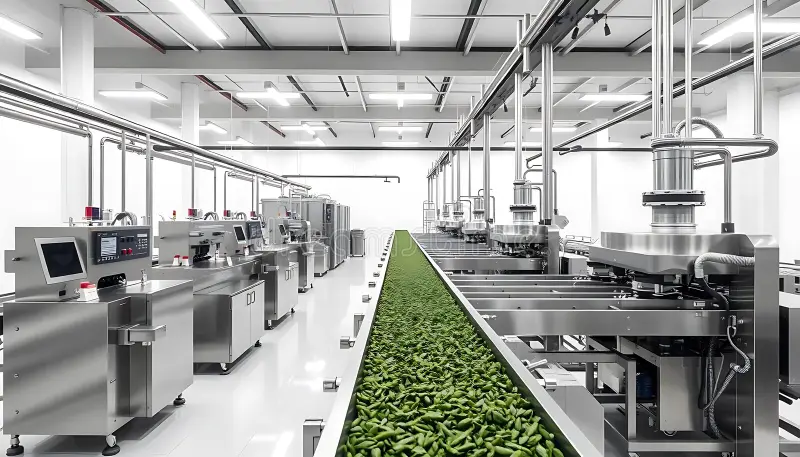
Sustainability has graduated from buzzword to bottom-line imperative in food processing facility design. As environmental pressure mounts and consumer awareness grows, forward-looking architecture is transforming how food gets from farm to fork.
Challenges Facing Sustainable Food Processing Facility Architecture
Environmental Impact and Resource Consumption
Food processing plants are substantial consumers of energy and water, and their carbon footprint can be significant. The challenge extends far beyond lowering energy bills. It is about dramatically reducing greenhouse gas emissions, minimizing waste generation, and conserving water without sacrificing output or quality. Facilities handling meat, dairy, or baked goods often face even higher environmental stakes due to their intensive resource demands.
Regulatory and Compliance Constraints
Regulatory frameworks for food safety and environmental protection are evolving rapidly. From updated hygiene codes to stricter emissions caps, compliance now requires architectural nimbleness. Designers must anticipate not only today’s rules, but tomorrow’s, ensuring spaces can adapt without costly overhauls.
Operational Efficiency vs. Sustainability Trade-offs
Striking the right balance between operational throughput and sustainability measures is no easy feat. High-volume automated lines require significant energy, yet efficiency gains can sometimes conflict with eco-friendly initiatives. The tension often lies in finding solutions that serve both productivity and environmental responsibility.
Adaptability to Emerging Food Industry Demands
Consumer preferences are shifting toward organic, plant-based, and locally sourced foods. Facilities must accommodate new product types, packaging methods, and flexible production lines. The next generation of architecture must be prepared for rapid pivots as market trends, and regulations, shift.
Innovative Architectural Solutions Driving Sustainability
Integration of Renewable Energy Systems
Solar panels atop sprawling plant roofs, wind turbines supplementing grid power, and on-site biogas conversion systems are increasingly common. These on-site renewables reduce energy costs and help facilities hedge against future carbon regulations. In many cases, excess energy can even be fed back into the grid.
Utilization of Sustainable and Recycled Building Materials
From recycled steel and low-VOC paints to repurposed concrete, sustainable materials are now at the forefront of new builds and retrofits. Using these materials reduces the facility’s lifecycle environmental impact and often results in healthier working environments.
Smart Building Technologies for Energy and Waste Reduction
Advanced sensors, AI-driven control systems, and real-time analytics are taking the guesswork out of facility management. Automated lighting, HVAC modulation, and energy recovery from process heat are standard features in leading-edge plants, dramatically shrinking their waste and carbon output.
Designing for Water Conservation and Management
Water recycling loops, rainwater harvesting systems, and low-flow fixtures are becoming standard elements of facility design. In regions vulnerable to drought, some plants are even implementing zero-discharge systems, ensuring that every drop is used efficiently.
Case Studies of Leading Sustainable Food Processing Facilities
Canada Bread Plants: Balancing Scale and Sustainability
Canada Bread’s facilities in Moncton, Québec, and Woodstock exemplify how large-scale operations can still prioritize sustainability. With high-efficiency ovens, advanced waste heat recovery, and optimized product flow, these plants maintain high output while reducing their energy and water usage.
Cargill’s Case Ready Meat Facility Innovations
Cargill’s case ready meat operations have pioneered the use of smart refrigeration, optimized process layouts, and renewable energy integration. The result is a significant reduction in energy consumption per kilogram of product, a direct win for both bottom line and environment.
Maple Leaf Winnipeg: Energy-Efficient Design Approaches
At Maple Leaf’s Winnipeg site, the focus was on maximizing natural light, installing high-performance insulation, and deploying a sophisticated water management system. These measures not only lower energy costs, but also improve worker comfort and safety.
Lessons Learned from Élevages Périgord and TAS Projects
Specialist projects like those at Élevages Périgord and TAS demonstrate the value of tailoring solutions to specific process needs, such as integrating advanced air filtration for biosecurity or modular layouts for rapid product line changes.
Designing for Future-Proofing and Flexibility
Modular and Scalable Architectural Designs
Facilities designed with modular components can scale up or pivot to new product lines quickly, vital in a market where trends evolve overnight. This adaptability prevents costly downtime and extends the facility’s lifespan.
Incorporating Automation and Digital Infrastructure
Automation is no longer just about efficiency; it is central to consistent quality and sustainability. Advanced robotics, automated storage, and data-driven quality controls all demand robust digital infrastructure, which must be considered from the earliest design stages.
Planning for Changing Regulatory and Market Conditions
Nothing is static in food processing. Building flexibility into core systems, such as adaptable HVAC, reconfigurable production lines, and sufficient electrical capacity, ensures compliance and competitiveness for decades to come.
Actionable Strategies for Stakeholders in Food Processing Architecture
– Collaborate with experts: Leveraging the experience of a specialized firm, like a Stendel + Reich food processing architect, brings expertise in both sustainability and regulatory compliance to each stage of planning.
– Prioritize sustainability in early planning: Early integration of green practices, like material selection and site orientation, pays dividends in operational savings and environmental impact.
– Invest in ongoing training and technology: Staff need the skills (and motivation) to operate and maintain advanced green systems. Regular training and continuous technological upgrades are vital.
– Implement robust monitoring: Use data to measure progress, report outcomes, and drive continual improvement in both sustainability metrics and operational KPIs.
As the food industry’s expectations evolve, facilities that anticipate and embrace change will set the standard for a sustainable future. The blueprint for tomorrow’s food processing architecture is already taking shape, one innovative project at a time.